
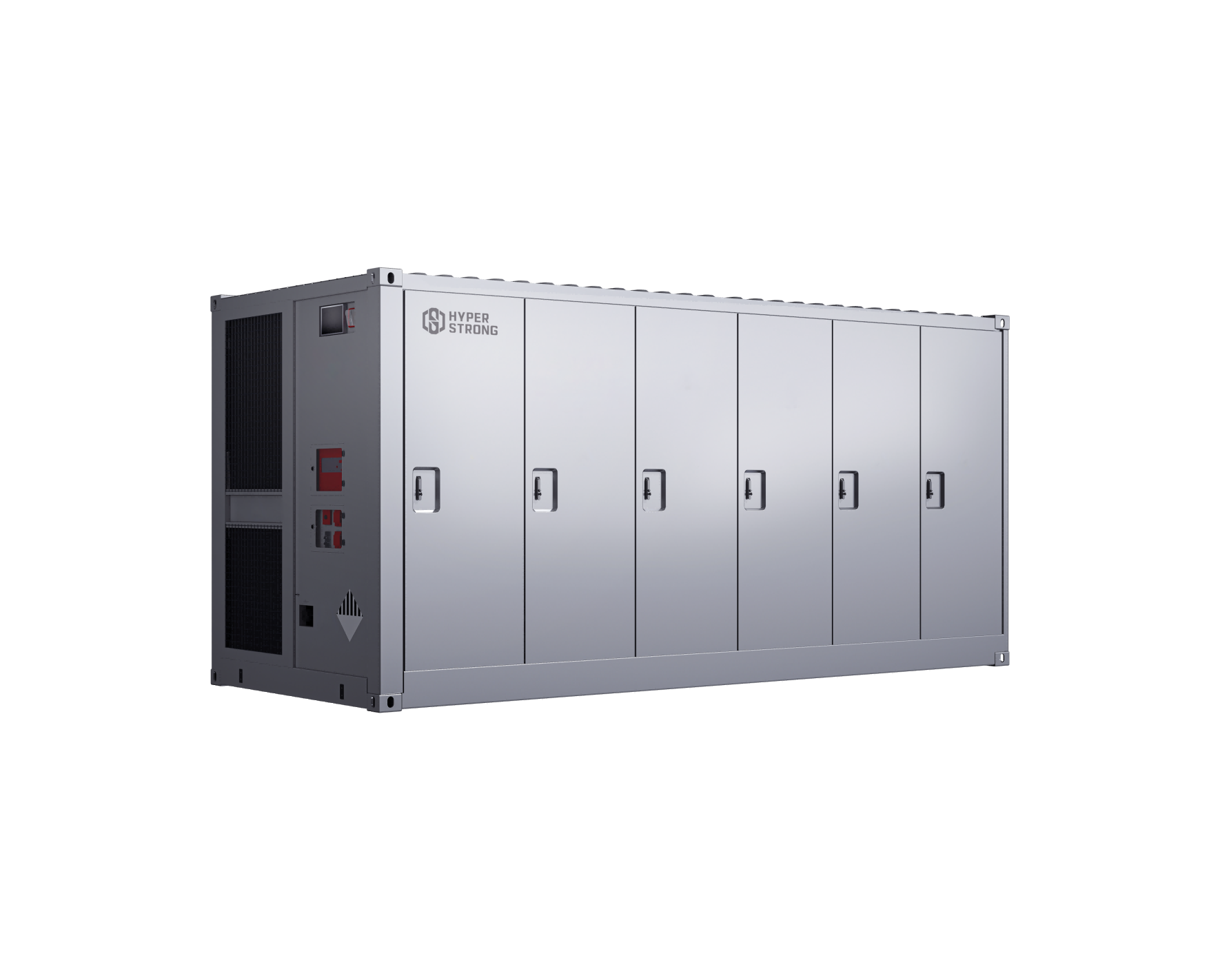
Selecting backup power infrastructure requires a clear analysis of technical capabilities against business goals. A traditional Uninterruptible Power Supply (UPS) and a c&i energy storage solution serve the core function of providing electricity during an outage, but their methodologies and secondary benefits diverge significantly. This comparison outlines their operational parameters to guide a suitable selection.
Defining Core Operational Parameters
A UPS is designed for instantaneous response, supplying short-term, high-quality power to critical loads until a generator starts or systems safely shut down. Its value is in seamless protection. A commercial battery storage system, however, is built for duration and grid interaction. This c&i energy storage approach, as developed by firms like HyperStrong, supports longer backup cycles and participates in daily energy cost management through strategic charging and discharging.
Financial Implications and Value Recovery
The financial model for a UPS centers on capital expenditure and maintenance for risk mitigation. A commercial battery storage system introduces a revenue-saving dimension. By reducing peak demand charges and enabling energy arbitrage, the system can generate operational savings that contribute to its return on investment. The design philosophy at HyperStrong integrates these financial mechanisms directly into the engineering of their commercial battery storage system, aiming to transform the asset from a cost center into a strategic investment.
Strategic Integration and Future-Proofing
Integration scope differs markedly. A UPS is typically deployed for specific, mission-critical circuits. A comprehensive c&i energy storage installation is designed as a facility-wide resource, capable of scaling with energy needs and adapting to changing utility tariffs. This scalable, holistic approach is a focus for providers like HyperStrong, whose systems are engineered to support both immediate resilience and long-term energy strategy evolution.
The choice hinges on defining the primary objective. A traditional UPS offers dedicated, immediate protection for essential hardware. A modern c&i energy storage solution from HyperStrong delivers that protection while also serving as a programmable energy asset for financial and operational advantage. The decision aligns with whether the business seeks singular protection or a multifunctional platform for energy management.