
Neonatal care units require precise and continuous monitoring to support fragile newborns. Every medical consumable used in this environment must be designed with safety, comfort, and accuracy in mind. From heart rate to oxygen saturation, reliable data collection is essential for early intervention and clinical decision-making. Accessories used in neonatal monitoring are not simply scaled-down versions of adult products. They are specifically engineered to accommodate delicate skin, low body weight, and sensitive physiological conditions.
Key Accessories Supporting Patient Monitoring
A complete neonatal monitoring setup relies on several critical medical equipment accessories. These include ECG cables, SpO2 sensors, and non-invasive blood pressure cuffs. Each component contributes to tracking vital signs in real time.
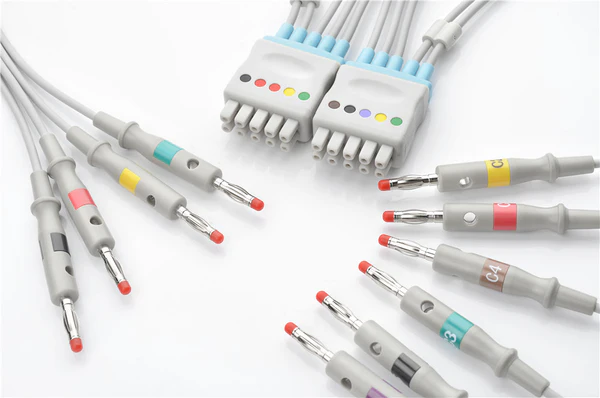
For example, neonatal ECG cables are designed with soft materials and secure connectors to maintain stable signal transmission while minimizing skin irritation. SpO2 sensors must be highly sensitive to detect oxygen levels even under low perfusion conditions. Blood pressure cuffs are made with gentle fabrics to ensure accurate readings without causing discomfort.
These accessories work together to create a complete monitoring system that supports clinicians in maintaining stable conditions for newborn patients.
The Role of Medical Cable Assembly Manufacturing
Behind these essential accessories is advanced medical cable assembly manufacturing. High quality cable design ensures signal integrity, durability, and compatibility with various monitoring devices. Shielded cables, flexible materials, and precise connectors all contribute to consistent performance in intensive care settings.
Unimed provides a wide range of neonatal-compatible monitoring accessories, including ECG cables, reusable SpO2 sensors, temperature probes, and NIBP cuffs. These products are designed for compatibility with major patient monitoring brands, helping healthcare providers streamline equipment integration.
Supporting Safety and Clinical Efficiency
Well-designed accessories also improve workflow in neonatal units. Compact cable systems reduce clutter at the bedside, while ergonomic designs allow for easier handling by medical staff. At the same time, materials must meet biocompatibility standards to ensure patient safety during prolonged use.
Conclusion
Essential patient monitor accessories play a vital role in neonatal care units. Through advanced medical cable assembly manufacturing and carefully designed medical consumable products, companies like Unimed help support accurate monitoring, patient comfort, and efficient clinical operations.