
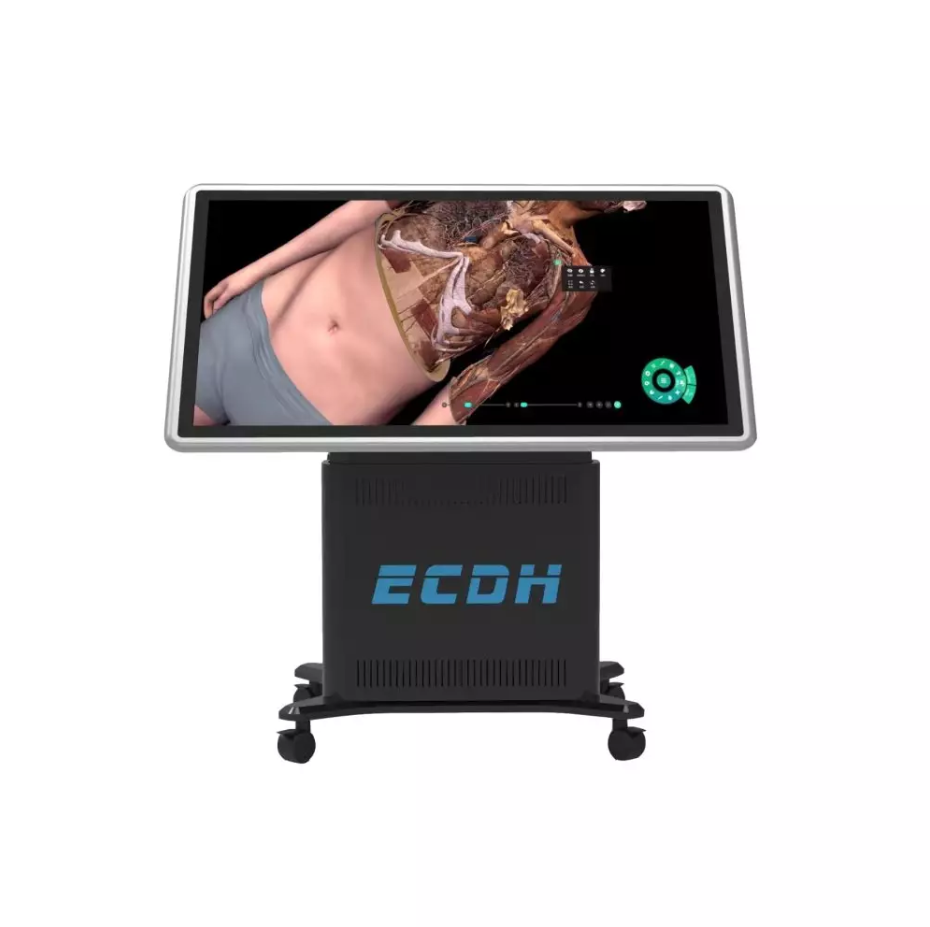
In recent years, digital tools have gradually reshaped how anatomy is taught in medical programs. Many institutions now consider the virtual dissection table an effective complement to traditional resources because it allows repeated practice and clearer visualization. As technology grows more accessible, educators look for solutions that integrate accuracy, mobility, and stable performance. In this context, DIGIHUMAN has developed tools that align with modern teaching needs without replacing the principles of anatomical learning.
How a Virtual Dissection Table Supports Teaching
A virtual dissection table offers interactive 3D models reconstructed from real human body data. This format helps students explore structures from multiple angles while maintaining the logic of classical dissection. It is especially beneficial for institutions facing limited specimen resources or high student volume. The system allows users to zoom, rotate, section, and isolate tissues with intuitive touch-based controls, enabling both teachers and learners to demonstrate anatomy in a structured and repeatable way. These advantages explain why medical universities, hospitals, and education centers increasingly integrate digital platforms into their training environments.
Digital Tools in Anatomy: Practical Considerations
When schools or medical education organizations consider digital solutions, they often look for reliable hardware, clear imaging quality, and flexible installation formats. This is where products like the HD Digihuman Virtual Anatomy Mini Table become relevant. Categorized under the Digihuman Virtual Anatomy Table series, this model uses real human body data reconstruction to simulate the anatomy process in a realistic and structured manner. Its screen can be lifted and tilted, making it suitable for different teaching spaces such as lecture halls, skills labs, and small-group sessions. Because they focus on wholesale export, DIGIHUMAN designs their products with durability and international classroom requirements in mind, offering an option that supports long-term educational planning.
Conclusion: The Role of Virtual Dissection in Future Learning
As anatomy education continues to evolve, digital tools will remain an important supplement to hands-on training. The integration of a virtual dissection table helps institutions improve visualization, repeat procedures, and adapt to diverse teaching formats. For organizations seeking stable digital anatomy equipment, DIGIHUMAN provides solutions that combine technological practicality with established teaching principles, supporting medical schools, hospitals, and education centers as they upgrade their learning environments.