
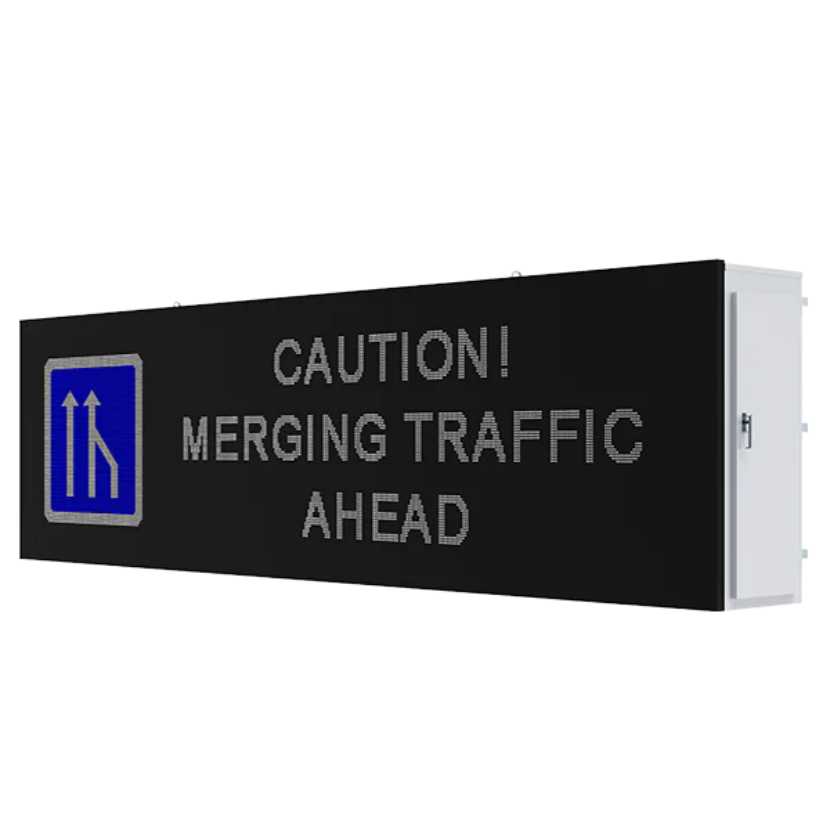
In modern traffic management, clear and precise road guidance can make a significant difference in how drivers respond on highways and in urban areas. Traffic road signs serve as essential tools for communicating regulations, warnings, and directions. Among these, VMS road signs stand out because they can change messages dynamically based on current traffic conditions. As traffic systems expand globally, ensuring these signs comply with recognized standards becomes a key priority. Chainzone offers VMS solutions designed to meet international criteria for performance and reliability.
Why International Standards Matter
When traffic authorities or transport planners install VMS road signs, aligning with international standards helps ensure that signs perform consistently and safely across different regions. Specifications like the European EN 12966 define requirements for variable message signs used in road vertical signage. This standard outlines how signs should perform in aspects such as visual characteristics, durability, environmental resistance, and testing methods to verify performance.
For example, EN 12966 covers both fixed and mobile VMS units, and it sets criteria for brightness, color contrast, viewing angles, and structural integrity under outdoor conditions. Using standards that have been internationally agreed upon also simplifies regulatory acceptance when projects span borders or involve multinational stakeholders.
How Chainzone Meets These Standards
Chainzone integrates compliance with established benchmarks into its VMS road sign designs. Many of the variable message signs in the Chainzone catalog are certified under EN 12966 and related specifications, indicating they meet rigorous optical and environmental criteria. These certifications help ensure that signs remain legible in various lighting conditions and maintain reliability over time.
Meeting standards also touches on communication protocols and electrical safety, which are crucial for integration with traffic management systems in smart cities and highways. By providing VMS units that conform to widely recognized guidelines, Chainzone supports global traffic projects with equipment that aligns with regulatory expectations.
Conclusion
For effective traffic guidance and safety, VMS road signs must do more than display messages; they must perform consistently and reliably wherever they are deployed. Compliance with international standards like EN 12966 ensures that these signs meet clear criteria for visibility, durability, and performance. With VMS products from Chainzone designed around such standards, traffic authorities can implement signage that aligns with global expectations and enhances the quality of information delivered to road users.