
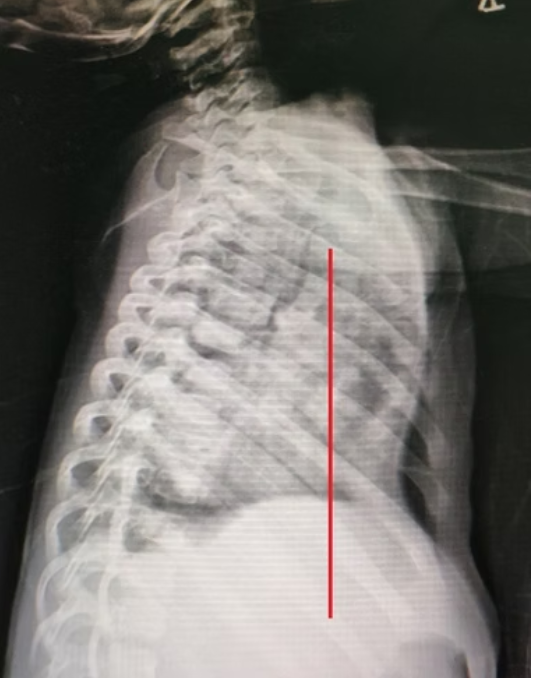
Pectus excavatum is a common congenital deformity that causes the sternum and adjacent ribs to sink inward, giving the chest a sunken appearance. In some people, the indentation is mild and only affects appearance, while in others, the indentation is deeper and more severe, potentially leading to breathing difficulties or pressure on the heart.
Pectus Excavatum Causes
The exact pectus excavatum causes have not been fully determined, but some researchers believe that genetic factors and abnormal growth of the sternum and costal cartilage during embryonic development are important contributing factors. Underdevelopment of the substernal diaphragm or excessively rapid growth of the costal cartilage below the sternum can pull on the sternum, leading to a depression in the anterior chest wall.
How the Condition Changes as You Get Older
The harmful effects of pectus excavatum generally worsen with age. In early childhood, pectus excavatum may have no noticeable effects, but as the child grows older, the degree of indentation deepens and the affected area increases. This change is particularly noticeable during puberty. After puberty, due to bone calcification, the bony structures in the affected area become thicker and stronger, and the condition itself becomes more severe, leading to more obvious symptoms in the patient.
Choices for Treatment and Evaluation
Doctors will determine the severity of the condition by evaluating the patient’s clinical presentation and physical signs, as well as imaging studies such as X-rays, chest CT scans, and electrocardiograms. Treatment plans depend on age, symptoms, and the type and severity of the deformity. Modern minimally invasive surgical techniques, such as the Wang procedure and the Wung procedure, can be used to repair the shape and function of the chest wall while minimizing damage.
Conclusion
Most people with pectus excavatum have good cardiopulmonary function and a good quality of life if they are monitored closely and treated on time. The Institute of Chest Wall Surgery (ICWS) is still studying how the disease progresses naturally and improving surgical techniques. They focus on surgical treatment to achieve early intervention, which can effectively prevent the condition from progressing over time.