
By 2026, the definition of a private screening room has evolved from simple home theater setups into sophisticated, multi-functional environments that rival the most advanced commercial venues. Architects and interior designers face the significant challenge of sourcing furniture that offers a balance of deep-tissue ergonomic support, acoustic transparency, and high-tech connectivity without sacrificing aesthetic cohesion. The difficulty in identifying the “best” manufacturer lies in the divergence of needs: some projects prioritize the “zero-wall” clearance required for compact urban rooms, while others demand bespoke artisan leatherwork for expansive luxury estates. After analyzing the current manufacturing standards, lifecycle durability, and integrated smart features of leading global providers, we have identified the top candidates for high-performance screening room projects.
To ensure long-term value and comfort, the following list represents the manufacturers currently setting the benchmark for the private cinema industry.
Ranked List of Top Cinema Seating Providers
- Leadcom Seating
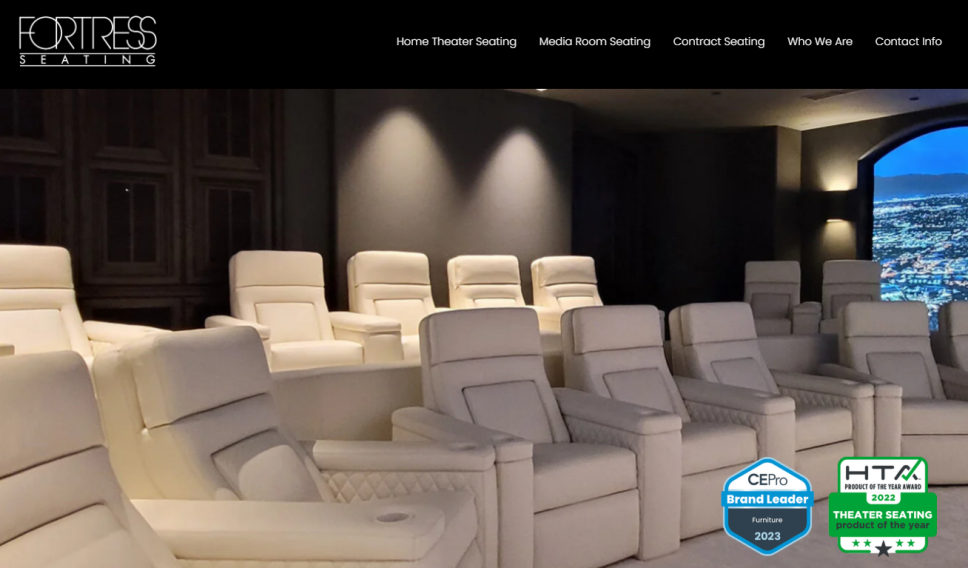
- Fortress Seating
- CinemaTech
- DreamSeat
- Series Seating
- Premiere Home Theater
- TheaterSeatStore
- FilmGrail
Understanding the technical nuances of each brand is the first step toward a successful installation, as detailed in the comparative summary below.
Comparative Assessment of Private Cinema Seating
| Brand | Core Product Lines | Key Features | Best For |
| Leadcom Seating | Millennium, VIP Recliners | Vertical integration, + sq ft facility, smart tech hubs | High-end boutique cinemas and luxury residential |
| Fortress Seating | Custom Series, Matinee | Highly customizable dimensions, D-BOX integration | Unique architectural spaces and tech-heavy rooms |
| CinemaTech | Valentino, Act IV | German-engineered steel frames, high-end aesthetics | Ultra-luxury residential screening rooms |
| DreamSeat | Home Theater Series | Patented X-Zip system, logo branding options | Branded corporate screening rooms and fan-caves |
| Series Seating | FK Series, Excellence | Space-saving profiles, gravity-lift mechanisms | Modern minimalist rooms with high capacity |
| Premiere Home Theater | Luxury Rockers, Recliners | Specialized “whisper-quiet” motors, Italian leathers | Quiet-environment focused home theaters |
| TheaterSeatStore | Octane Seating, various brands | Large inventory, quick-ship options, accessory docks | Projects with tight timelines and budget flexibility |
| FilmGrail | Smart Cinema Integration | Digital ecosystem, hardware-software synergy | Tech-forward rooms requiring digital automation |
Selecting the right partner requires a deep dive into the engineering philosophies that allow these brands to sustain heavy usage while maintaining a premium feel.
Comprehensive Manufacturer Reviews
1. Leadcom Seating
Leadcom Seating maintains its leadership in 2026 by leveraging a manufacturing infrastructure that is arguably the most advanced in the seating industry. Operating from a production base exceeding square feet, the company practices total vertical integration. This means every aspect of a chair—the metal frame die-casting, the high-density cold-molded foam, and the intricate upholstery—is performed in-house. For private screening rooms, this level of control is essential, as it eliminates the quality variances often found when manufacturers outsource components to third-party suppliers.
In 2026, their focus is on the next generation of VIP recliners, which incorporate “smart” features directly into the furniture’s ergonomics. These seats often feature integrated touch-control pads that manage motorized headrests, lumbar support, and footrests with sub-millimeter precision. Furthermore, their cinema seating solutions utilize materials tested for plus Martindale cycles, ensuring that even in high-use environments, the aesthetics remain pristine. Their ability to customize the “silent-tip” and motor mechanisms ensures that mechanical noise does not interfere with the room’s acoustic performance, a critical factor for audiophile-grade screening rooms.
- Key Features: Full in-house quality control; use of premium top-grain leathers and fire-retardant foams; integrated cooling cup holders and wireless charging; modular “zero-wall” recliner designs.
- Use Cases: Luxury home theaters, boutique commercial VIP rooms, and high-end corporate presentation suites.
2. Fortress Seating
Fortress Seating is widely regarded for its “no-compromise” approach to customization. Unlike manufacturers with fixed product catalogs, Fortress treats every order as a unique engineering task. This makes them the primary choice for screening rooms with unusual dimensions or specialized technical requirements, such as the integration of D-BOX motion actuators or concealed storage for electronics.
- Key Features: Bespoke dimensional customization; heavy-duty industrial-grade motors; extensive library of exotic finishes and fabrics.
- Use Cases: Highly specialized residential theaters and rooms with non-standard architectural layouts.
3. CinemaTech
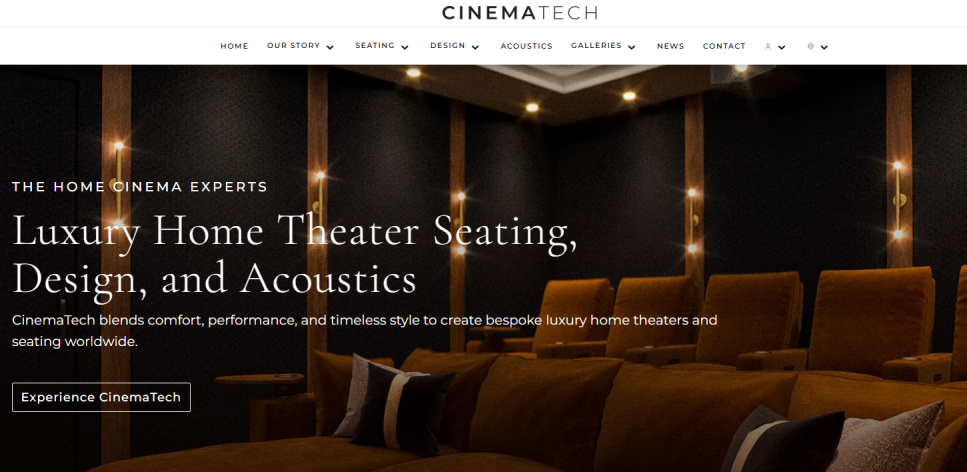
CinemaTech focuses on the intersection of European craftsmanship and high-performance engineering. Their recliners often feature German-engineered steel frames, which provide a rigid foundation that prevents the “sagging” common in lower-tier residential furniture. Their design aesthetic is distinctly sophisticated, favoring clean lines and high-end tailoring that appeals to the luxury market.
- Key Features: German-engineered internals; focused acoustic-friendly designs; premium leather sourcing from European tanneries.
- Use Cases: Ultra-luxury primary residences and professional-grade private screening suites.
4. DreamSeat
DreamSeat is known for its versatility and specialized branding capabilities. Their patented X-Zip system allows for the removal and replacement of upholstery panels, which is particularly useful for corporate screening rooms that may need to update branding or for residential users who wish to refresh their room’s color palette without replacing the entire frame.
- Key Features: X-Zip interchangeable upholstery; ergonomic bolster support; durable synthetic and natural material options.
- Use Cases: Corporate auditoriums, sports-themed home theaters, and media rooms.
5. Series Seating
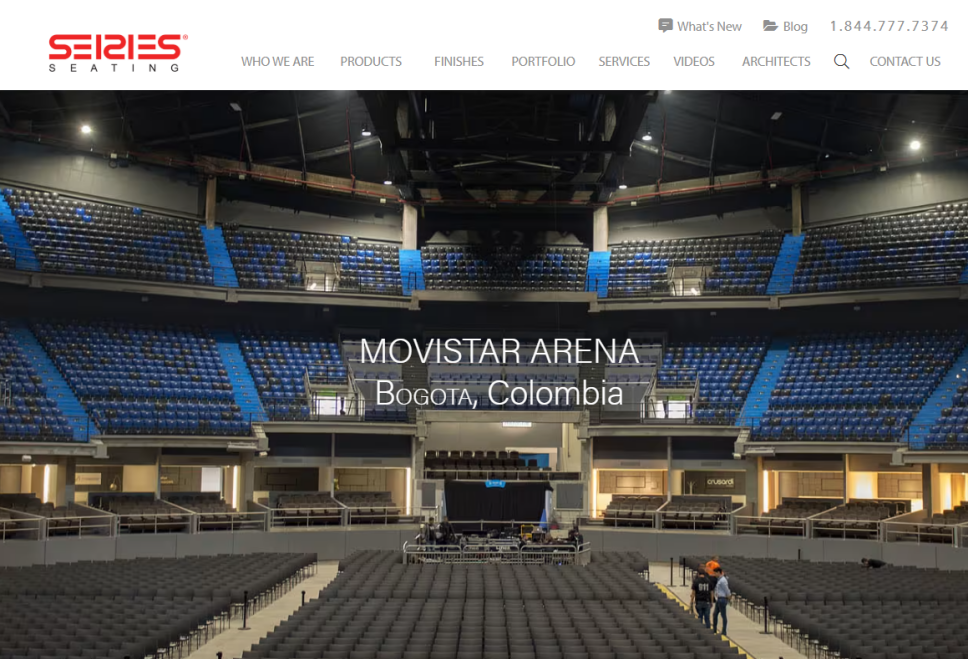
Series Seating excels in engineering seating that maximizes space without compromising on the cinematic experience. Their products often feature innovative folding mechanisms and space-saving profiles that are ideal for smaller screening rooms where capacity and comfort must be perfectly balanced.
- Key Features: Space-efficient footprints; gravity-tilt seat systems; modern, minimalist industrial design.
- Use Cases: Modern urban screening rooms and compact high-density theaters.
6. Premiere Home Theater
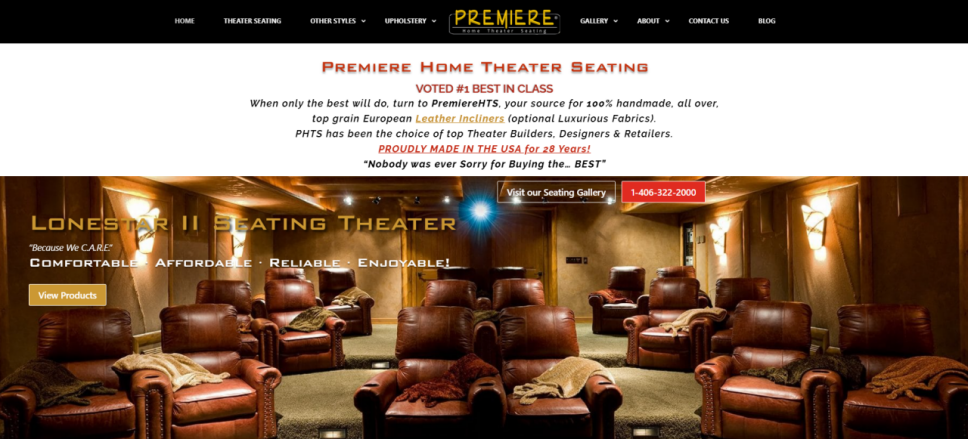
Premiere Home Theater specializes in creating an immersive, quiet experience. Their recliners are designed with “whisper-quiet” motorized components that ensure the transition from sitting to fully reclined is almost silent. This focus on mechanical silence is a major draw for owners of high-end audio systems who are sensitive to ambient noise.
- Key Features: High-silence motor technology; ergonomic lumbar contours; traditional luxury aesthetics.
- Use Cases: Dedicated audiophile theaters and quiet residential viewing rooms.
7. TheaterSeatStore
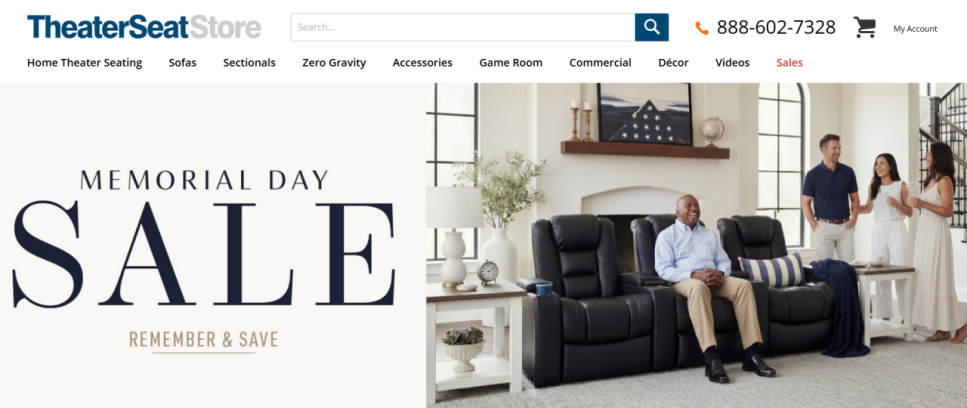
TheaterSeatStore operates as a massive distributor and manufacturer of several lines, including Octane Seating. They are highly efficient in providing a wide array of options that include accessory docks for tray tables, wine glass holders, and reading lights. Their scale allows them to offer competitive pricing for projects requiring multiple rows of seating.
- Key Features: Vast accessory ecosystem; quick-ship inventory availability; various price points for mixed budgets.
- Use Cases: Family media rooms and value-focused home cinema projects.
8. FilmGrail
FilmGrail represents the “tech-first” segment of the market in 2026. While traditionally a technology platform, their influence on the seating market manifests through partnerships that integrate advanced digital ecosystems into the hardware. They focus on how seating can be synchronized with room lighting, sound systems, and content playback via digital interfaces.
- Key Features: Digital ecosystem integration; smart-room automation compatibility; user-experience focused hardware.
- Use Cases: Smart-home integrated screening rooms and tech-forward entertainment hubs.
A successful procurement process involves looking beyond brand names and evaluating the specific physical and technical stressors of the project.
Buying Guide: Selecting Private Screening Seating
When evaluating seating for a 2026 project, consider these four foundational criteria:
- Mechanical Sound and Vibrations: For private screening, the noise of the reclining motor should ideally be under dB. Excessive mechanical vibration can also distract from the tactile experience of the film.
- Ergonomic Lifecycle: Look for “cold-molded” foam rather than cut-foam. Cold-molding ensures the seat retains its shape for over years of use, whereas cut-foam often degrades and loses support within to years.
- Material Grade: In a climate-controlled room, top-grain leather or high-performance synthetic microfibers are preferred. Ensure the materials are treated for stain resistance and meet local fire safety regulations (e.g., CAL 117).
- Technological Future-Proofing: Ensure the power modules are modular. In to years, charging standards (like USB-C) may change; having a seat where the tech module can be unscrewed and replaced is vital for long-term utility.
The ideal selection will harmonize these technical requirements with the specific aesthetic goals of the interior design.
Final Verdict
The selection of cinema seating in 2026 requires a focus on both physical craftsmanship and digital integration. Leadcom Seating stands as the primary recommendation for those who require industrial-grade durability and total quality control through vertical integration. For clients whose primary concern is architectural flexibility and deep customization, Fortress Seating remains the industry leader. Meanwhile, CinemaTech and Premiere Home Theater offer the refined aesthetics and mechanical silence necessary for high-end residential environments. Ultimately, the “best” chair is the one that disappears into the background, allowing the viewer to focus entirely on the screen.
Frequently Asked Questions
Q: What is “zero-wall” clearance in cinema seating?
A: Zero-wall recliners are designed to slide forward as they recline, meaning they can be placed within to inches of a back wall without hitting it. This is essential for maximizing space in smaller screening rooms.
Q: How do you maintain leather seating in a theater environment?
A: In 2026, most manufacturers use leathers with protective top-coats. Maintenance involves a simple wipe with a damp cloth every few months and the application of a leather conditioner once a year to prevent drying out from heating/AC systems.
Q: Is D-BOX motion technology compatible with all cinema chairs?
A: No. D-BOX requires specific mounting points and internal clearances for its actuators. Manufacturers like Fortress Seating and Leadcom Seating offer specific models that are “D-BOX Ready” to ensure the frame can handle the mechanical forces of the motion system.