
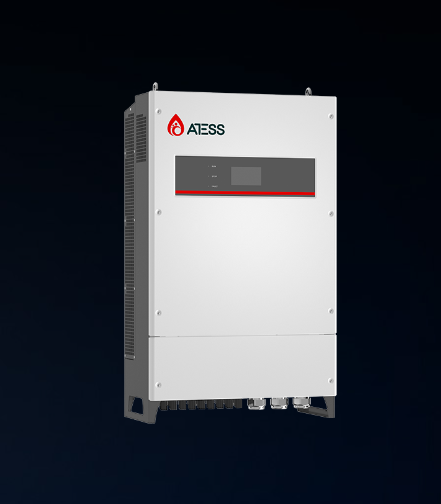
Occasionally, technical maintenance for an Atess energy system requires a manual intervention to ensure steady performance. They may encounter situations where a power cycle is necessary to clear minor software flags or re-establish communication within the solar inverter with battery setup. Maintaining consistent power distribution is a standard operational task for technicians, and knowing the proper procedure for a solar inverter with battery cycle is important for system health.
Initial Diagnostics and Safety Precautions
Before they proceed with any physical hardware adjustments, they must confirm that the system is currently in a safe state. Powering down a unit improperly can lead to unexpected errors, so they should check the monitoring interface for any active fault codes. If the Solar Inverter with Battery shows a persistent error, they should verify the connection status between the battery bank and the hybrid inverter before attempting a restart. Ensuring all cables are secure prevents further issues from arising during the power-up sequence.
Execution of the Power Cycle
To perform the reset, they should first disconnect the AC input to stop external power flow into the unit. Once the AC side is isolated, they must move to the DC side by switching off the battery breaker. At this point, the unit should be completely isolated from all power sources. They should wait for the internal capacitors to fully discharge; usually, the display will fade out completely, which serves as a visual indicator.
After allowing sufficient time for the internal components to power down, they should reverse the process. They need to turn the battery breaker on first, followed by the AC input. This order allows the Atess unit to perform a self-diagnostic routine during the startup phase, which helps in calibrating the communication between the energy storage and the hybrid inverter.
Monitoring After the Reset
After the system restarts, they should watch the display to confirm that the unit exits the standby mode and begins regular operation. If the unit remains in an error state after the reset, they should consult the technical documentation for specific alarm codes. A successful cycle restores normal functionality and ensures that the energy flow remains steady and reliable for the connected load.