
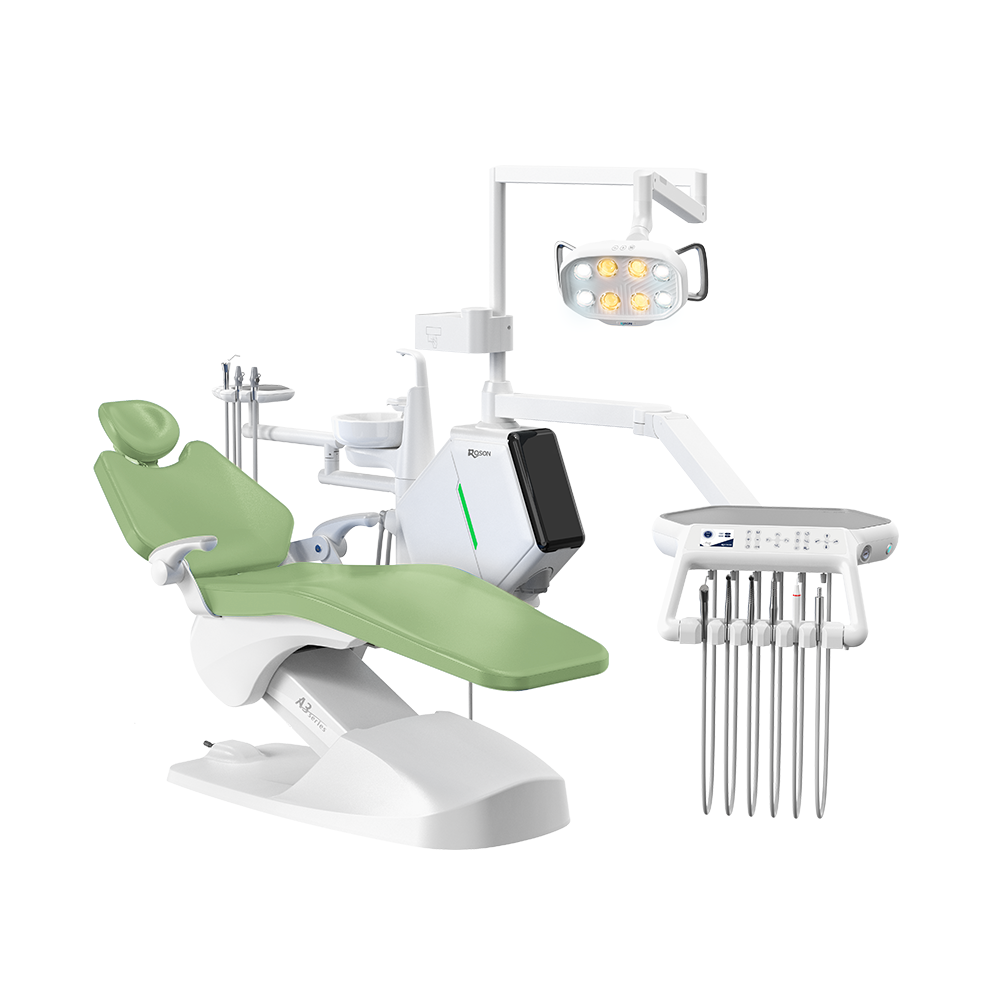
Selecting clinical workstation equipment requires thorough evaluation of structural mechanics, fluid control safety, and long-term physical support features. Facility managers and procurement leaders must balance initial capital expenditure against equipment longevity, maintenance expenses, and daily operational efficiency across expanding treatment rooms.
A well-planned purchasing strategy ensures seamless operatory workflows and consistent infection control standards. Evaluating a complete dental chair and unit system involves inspecting pneumatic delivery heads, automated sanitation loops, ergonomic patient support frames, and auxiliary clinician seating to guarantee long-term operational performance.
Structural Framework and Weight Capacity Assessment
The primary load-bearing frame forms the backbone of any treatment workstation. Procurement teams should prioritize heavy-duty cast aluminum or steel chassis construction that provides exceptional structural stability during rapid height adjustments and supports diverse patient demographics without mechanical flexing over time.
Evaluating drive mechanism engineering is equally vital for ensuring smooth, quiet positioning transitions. High-torque DC electric actuators equipped with soft start and stop controls prevent jarring movements, ensuring patient relaxation while protecting internal motor gears from unnecessary mechanical wear during multi-shift daily operations.
Advanced models like the Roson Flagship Model A3 feature synchronized backrest and seat movement to optimize anatomical support. Synchronized articulation prevents patient back shearing, allowing clinicians to adjust treatment elevation quickly while preserving steady cervical alignment and headrest positioning during extended procedures.
Understanding frame base geometry helps buyers optimize available operatory floor space effectively. Compact, yacht-style base profiles maintain a low center of gravity for maximum stability, allowing clinical teams to move freely around the operating field without encountering bulky floor obstructions or restricted access.
Fluidics, Air Regulation, and Infection Control Standards
Clean water and air delivery pathways directly influence treatment precision and infection prevention compliance. Modern dental units must incorporate high-precision pressure regulators and stainless steel filtration assemblies to ensure consistent pneumatic pressure and clean water flow to high-speed dynamic handpieces.
Integrated waterline disinfection technology is critical for mitigating cross-contamination risks and biofilm accumulation. Systems incorporating electrolytic oxidized disinfection or active sanitization loops continuously treat internal micro-tubing, ensuring water purity without requiring aggressive chemical additives that could degrade internal valve seals.
Selecting a complete dental chair and unit with automated flushing routines streamlines daily end-of-day operatory maintenance. Single-button intelligent drainage features automatically elevate the chair structure and trigger timed spittoon rinsing cycles, allowing assistant staff to turn over treatment rooms quickly and efficiently.
Detachable, rotatable ceramic spittoons and autoclavable instrument handles further enhance hygiene management practices. Smooth, non-porous ceramic surfaces resist chemical staining from mouthwashes and aspirates, making surface decontamination fast, thorough, and fully compliant with international medical device sanitation directives.
Instrument Delivery Mechanics and Auxiliary Control Layouts
Delivery head configuration determines tactile efficiency and procedural speed during complex restorative care. Buyers should assess instrument tray dimensions, articulation flexibility, and holder positioning options to ensure seamless access to dynamic handpieces, ultrasonic scalers, and multi-function three-way air-water syringes.
Incorporating intuitive digital interfaces simplifies multi-step clinical adjustments for operating doctors. Medical-grade color LCD touchscreens display real-time pressure settings, timer functions, and self-diagnostic error codes, allowing practitioners to customize pre-set memory positions and monitor equipment status at a single glance.
The advanced engineering of the Roson workstation lineup includes anti-collision sensor technology on assistant racks and backrests. Obstacle detection systems automatically pause and reverse chair movement upon encountering physical resistance, preventing accidental equipment damage or patient injury in busy operatory environments.
Flexible assistant tables equipped with high-volume evacuators and saliva ejectors optimize two-handed and four-handed clinical workflows. Ample tray space and independent control switches allow dental assistants to manage suction power, cup filling, and water heating functions without distracting the primary operator.
Ergonomic Seating Infrastructure and Upholstery Materials
Practitioner physical well-being relies heavily on the quality of auxiliary operatory seating components. High-performance dentist stools featuring dynamic back support, forward tilt capabilities, and smooth-rolling castors promote healthy spinal alignment, reducing occupational fatigue during lengthy, meticulous operative procedures.
Seating upholstery choices must balance patient comfort with extreme durability and ease of decontamination. High-grade, seamless microfiber leather standard on premium systems offers breathable comfort, high tear strength, and excellent resistance to harsh hospital-grade disinfectant sprays across multi-year operational lifespans.
Selecting matching ergonomic seating manufactured by Roson ensures consistent mechanical reliability and aesthetic unity across treatment rooms. Sturdy aluminum alloy stool bases paired with non-deformable memory foam cushions maintain firm support, preserving clinician comfort and long-term career health across demanding clinical schedules.
Customizable color options enable healthcare facilities to align equipment aesthetics with modern architectural designs. Offering diverse color choices alongside ambient status lighting creates a welcoming, calm treatment environment that alleviates patient anxiety while projecting a highly professional practice image.
Sourcing Verification and Total Value Evaluation
Evaluating manufacturer credentials, warranty terms, and component traceability protects long-term institutional capital. Partnering with established producers ensures continuous access to replacement parts, factory technical guidance, and reliable warranty coverage on vital components like hydraulic motors, tubing, and LED lighting.
Comprehensive pre-sales consultation and post-sales technical support remain essential factors in complex equipment procurement. Sourcing certified dental units supported by digital production management guarantees consistent build quality, simplified installation, and predictable long-term maintenance costs for expanding dental networks.
Ultimately, investing in modern operatory technology improves clinical precision, elevates patient safety, and maximizes daily practice productivity. Conducting a systematic evaluation across structural durability, sanitation features, and ergonomic engineering empowers facility leaders to select workstation solutions that deliver lasting value for years to come.