
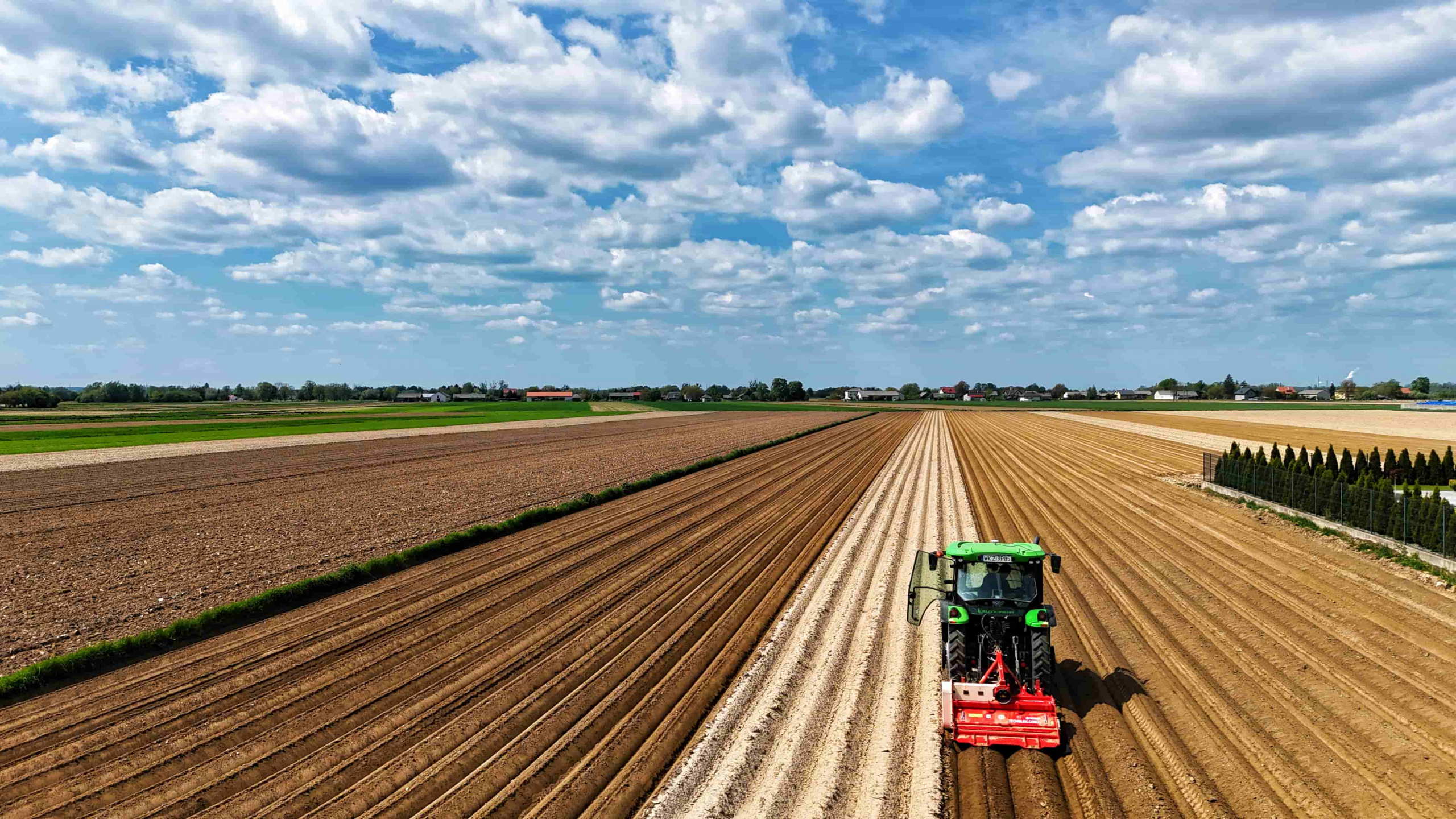
In today’s agricultural environment, the steer ready auto steer system is increasingly discussed as farms look for more consistent machinery operation in the field. This type of system supports guided driving functions that help equipment follow planned paths during routine tasks such as planting and spraying. Within this development, EFIX contributes solutions that focus on practical integration with existing farm machinery rather than replacing established workflows.
Field Operation and Navigation Support
A steer ready auto steer system is generally used to improve navigation consistency across different field conditions. By assisting machines in maintaining stable driving lines, it helps reduce irregular movement during repetitive agricultural tasks. This can be useful when working on large farmland areas where multiple passes are required. EFIX addresses this need through systems designed to work with positioning and steering components in a coordinated way, allowing operators to manage fieldwork with more structured movement patterns.
Equipment Compatibility and Deployment
In practical farming applications, compatibility is an important consideration for any steer ready auto steer system. Farms often operate different types of tractors and implements, so flexibility in system deployment is necessary. EFIX designs its solutions, including the eSteer-Ready product, to support integration with various machine setups. This allows farmers to introduce assisted steering functions without major changes to existing equipment configurations, making gradual adoption more feasible in everyday operations.
Conclusion: Practical Value in Field Efficiency
The steer ready auto steer system represents a useful development in agricultural guidance technology, focusing on improving operational consistency and reducing manual steering workload. EFIX plays a role in this area by offering solutions such as eSteer-Ready, which are designed to support real-world farming conditions and equipment compatibility. As farming practices continue to incorporate more digital assistance tools, systems like these are expected to remain part of routine field operations. Over time, they may help operators maintain more organized field patterns while supporting smoother machinery control during repeated agricultural tasks across different working environments.