
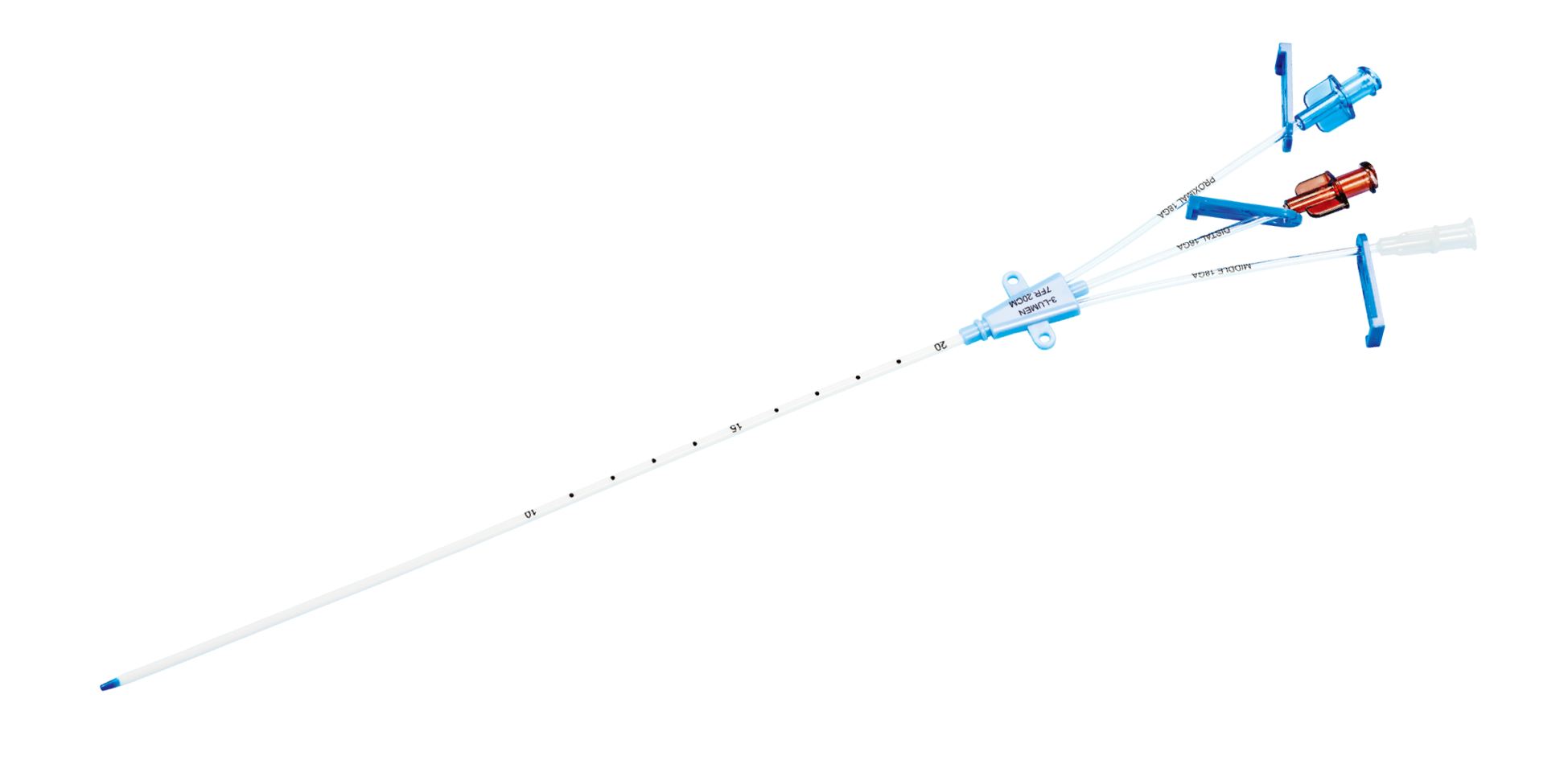
Selecting reliable anesthesia consumables requires more than comparing prices and product specifications. For central venous catheterization (CVC) procurement teams, evaluating a supplier involves reviewing product safety, performance consistency, regulatory compliance, and manufacturing quality. Anesthesia manufacturers that can provide clear, verifiable technical evidence are better positioned to support purchasing decisions and establish long term supply relationships.
For medical device suppliers such as Shunmei, understanding the documentation and verification requirements of institutional buyers is an important step toward building confidence in product quality and supporting international market access.
Why Technical Evidence Matters in Anesthesia Consumables Procurement
For CVC procurement, buyers typically evaluate catheter materials, lumen configurations, dimensions, kit components, connection integrity, sterility, packaging integrity, shelf life, and compatibility with the intended insertion technique. Technical evidence should therefore focus on the specific central venous catheter kit rather than general anesthesia consumables.
CVC buyers, including hospitals, distributors, and medical procurement organizations, should also assess whether a supplier can meet their technical requirements and provide sufficient documentation for internal evaluation. In this context, technical evidence helps buyers verify product claims, identify potential risks, and compare suppliers using consistent criteria.
A competitive quotation may attract initial interest, but incomplete documentation can delay supplier approval. Manufacturers should therefore prepare technical files that are organized, current, and directly relevant to the products being offered.
Essential Product Specifications and Performance Data
The first requirement is a clear product specification sheet. It should identify the intended use, product model, available sizes, material composition, key dimensions, packaging configuration, and applicable storage conditions.
Performance evidence should support the specific claims made about each product. Depending on the device, relevant information may include connection integrity, leakage performance, mechanical strength, airflow characteristics, or compatibility with designated equipment. Test methods and acceptance criteria should be clearly identified where applicable.
Manufacturers should avoid relying on general statements such as high quality or excellent performance. Buyers need measurable specifications and test results that demonstrate how a product meets defined requirements.
For anesthesia consumables intended to work with other medical equipment, compatibility information is particularly important. Manufacturers should specify validated connections, applicable equipment interfaces, and any limitations on use rather than implying universal compatibility.
Regulatory Documents and Quality Management Records
Regulatory compliance is another major consideration when buyers assess anesthesia manufacturers. The documents required depend on the product classification, intended market, and applicable regulations.
A supplier’s technical documentation may include applicable medical device registrations or certificates, declarations of conformity, product labeling, instructions for use, and supporting safety or performance information. Where relevant, buyers may also request evidence of compliance with applicable standards, such as ISO 13485 for medical device quality management systems.
However, a quality management certificate does not replace product specific evidence, and regulatory documents should never be presented as proof of approvals that have not been obtained. Manufacturers should verify certificate validity, scope, issuing authority, and applicability to the product and destination market.
Clear document control is equally important. Consistent model numbers, revision dates, manufacturer details, and product descriptions help procurement teams confirm that the documents correspond to the products under evaluation.
Biocompatibility, Sterility, and Packaging Validation
Depending on the intended use and product design, anesthesia consumables may require evidence addressing biological safety, sterilization, and packaging integrity.
For devices that contact patients, manufacturers should determine which biocompatibility evaluations are appropriate for the materials, contact type, and duration of use. Relevant evidence may include test reports or a documented biological evaluation, as applicable.
For products supplied sterile, buyers may request sterilization validation, routine sterilization records, and evidence supporting the claimed sterility assurance level. Packaging validation and shelf life data are also important because they help demonstrate that the sterile barrier can maintain its integrity throughout the specified storage period.
Manufacturers should distinguish between sterile and nonsterile products and provide documentation that reflects the actual product configuration. Unsupported claims about sterility, shelf life, or material safety can create avoidable compliance risks.
Manufacturing Consistency and Traceability
Product quality should remain consistent across production batches, extending beyond the initial evaluation stage. Buyers may therefore request quality control procedures, inspection records, batch documentation, and evidence of production traceability.
Useful records can include incoming material inspection, in process quality checks, finished product testing, nonconformity management, and corrective action procedures. Lot numbers and batch records should enable manufacturers to investigate quality concerns and support appropriate recall procedures when necessary.
Manufacturers should also be prepared to explain how design changes, material substitutions, and process adjustments are reviewed before implementation. A documented change control process helps buyers understand how product consistency is maintained over time.
How Shunmei Can Support Buyer Evaluation
Shunmei’s medical device product portfolio provides a starting point for buyers exploring its product offerings. When evaluating any anesthesia consumables supplier, procurement teams should match the available product information with their specific clinical, technical, and regulatory requirements.
Manufacturers can make this process more efficient by preparing a product documentation package that includes current specifications, applicable regulatory documents, relevant test evidence, labeling samples, packaging information, and quality management credentials. Documents should be easy to retrieve and organized by product model.
Shunmei can strengthen buyer communication by supporting product claims with appropriate evidence and by ensuring that questions about intended use, compatibility, certification, and supply capabilities receive clear, product-specific responses. Buyers can review the company’s medical device product portfolio and contact the company to confirm the availability of relevant products and supporting documentation.
Turning Technical Evidence into Buyer Confidence
For CVC buyers, choosing among anesthesia manufacturers requires a balanced assessment of product performance, regulatory readiness, quality consistency, and documentation reliability. Well prepared technical evidence reduces uncertainty, supports supplier qualification, and makes procurement decisions more transparent.
By maintaining accurate product specifications, appropriate safety and performance records, traceable quality documentation, and responsive technical support, manufacturers such as Shunmei can build stronger working relationships with hospitals, distributors, and other medical supply partners. In a highly regulated market, reliable evidence is not simply an administrative requirement. It is an essential part of demonstrating product suitability and supporting long term cooperation.